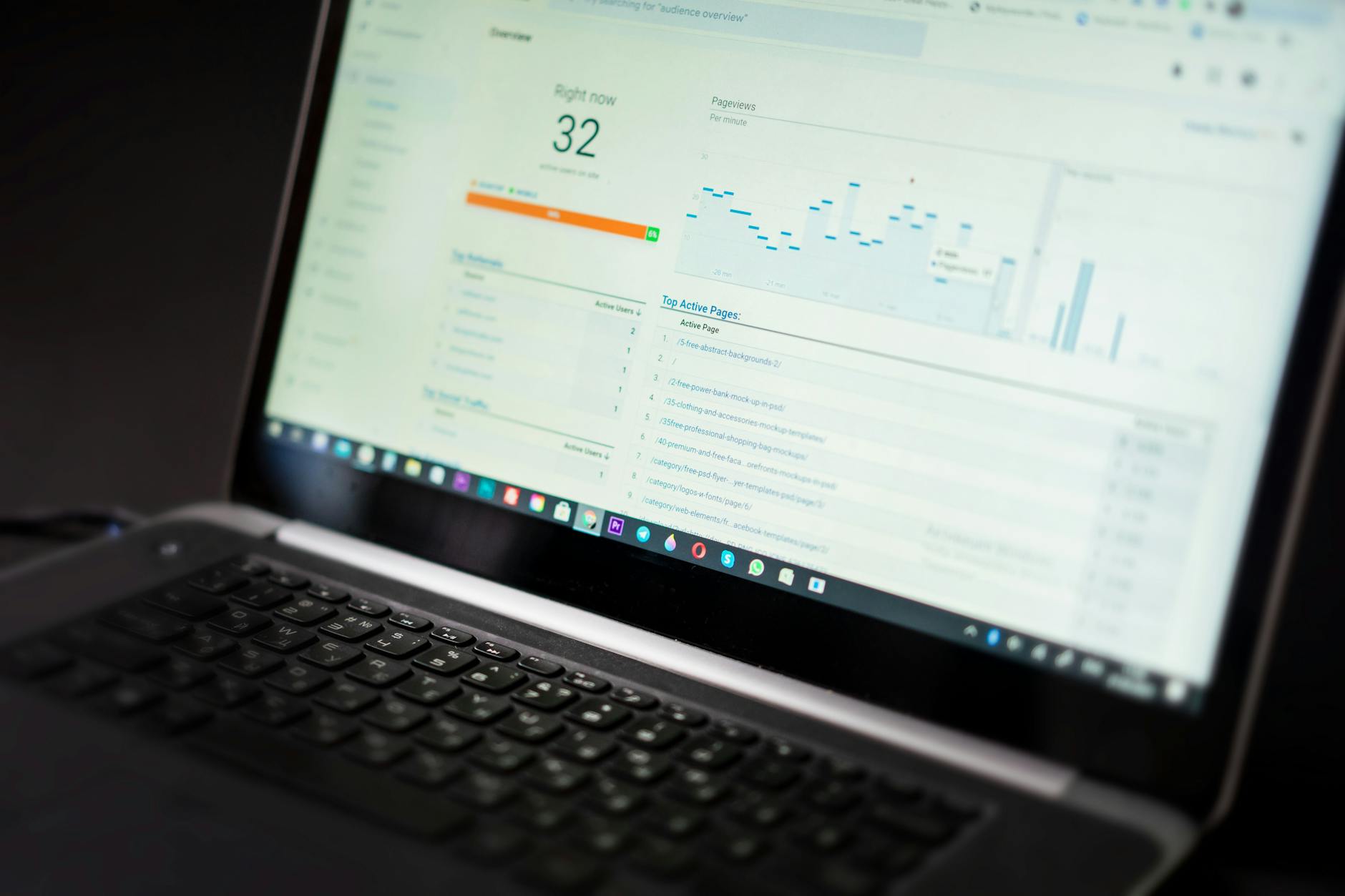
In today’s rapidly evolving business landscape, startups face unprecedented challenges and opportunities. To navigate this dynamic environment, many emerging companies are turning to innovative strategies, notably by leveraging data for informed decision-making. By harnessing Real-Time Analytics, startups gain the ability to monitor their operations and market responses instantly, enabling them to make swift adjustments when necessary. Furthermore, compelling case studies reveal how these agile organizations successfully pivot in response to real-time insights, allowing them not only to survive but thrive in competitive markets. As the digital age continues to unfurl new possibilities, this blog post explores how startups utilize real-time data to stay ahead of the curve and achieve their strategic objectives.
Leveraging Real-Time Data for Strategic Decisions
In today’s fast-paced business landscape, startups recognize the critical importance of leveraging Real-Time Analytics to make informed decisions swiftly. By harnessing real-time data, these emerging companies can identify trends, monitor consumer behavior, and adapt their strategies on the fly. This agility not only enhances responsiveness but also minimizes risks associated with outdated information.
Furthermore, real-time data equips startups with insights that drive innovation and operational efficiency. As they analyze customer interactions and market fluctuations, businesses can pivot their offerings to better align with evolving demands. Ultimately, integrating Real-Time Analytics into strategic planning empowers startups to stay ahead of competitors and seize new opportunities. By prioritizing data-driven decisions, they foster a culture of continuous improvement and innovation.

Case Studies: Startups Successfully Pivoting with Analytics
Numerous startups have effectively utilized Real-Time Analytics to navigate the ever-changing business landscape. One standout example is a food delivery service that recognized a significant shift in consumer behavior during the pandemic. By analyzing real-time data, the company quickly adjusted its offerings to include contactless delivery options, resulting in a 40% increase in user engagement.
Another illustrative case involves a fintech startup that monitored market trends through Real-Time Analytics. This allowed them to identify emerging competitors and pivot their product features, leading to a 60% increase in customer retention. These cases highlight how leveraging real-time insights enables startups to make informed decisions swiftly, adapt their strategies, and ultimately thrive in competitive environments.
Frequently Asked Questions
What is real-time analytics and why is it important for startups?
Real-time analytics refers to the ability to process and analyze data instantly as it becomes available. For startups, this capability is crucial because it enables them to make rapid decisions based on current market trends and customer feedback. By leveraging real-time analytics, startups can quickly identify issues, seize opportunities, and adjust their strategies without delay, which is essential in today’s fast-paced business environment.
How can startups effectively implement real-time analytics?
Startups can effectively implement real-time analytics by investing in robust data processing tools and technologies that support live data streaming and analysis. They should also ensure they have a clear data strategy that outlines their objectives and key performance indicators. Moreover, creating a culture of data literacy within the organization is essential, so all team members understand how to interpret data and apply insights to their respective roles.
What are some common challenges startups face when using real-time analytics?
Startups often face challenges such as data overload, where the sheer volume of incoming data can be overwhelming, making it difficult to extract actionable insights. Additionally, they may struggle with integrating various data sources, which can lead to incomplete or inaccurate analysis. Finally, a lack of skilled personnel who can interpret data effectively and translate it into strategic action can hinder a startup’s ability to fully capitalize on real-time analytics.