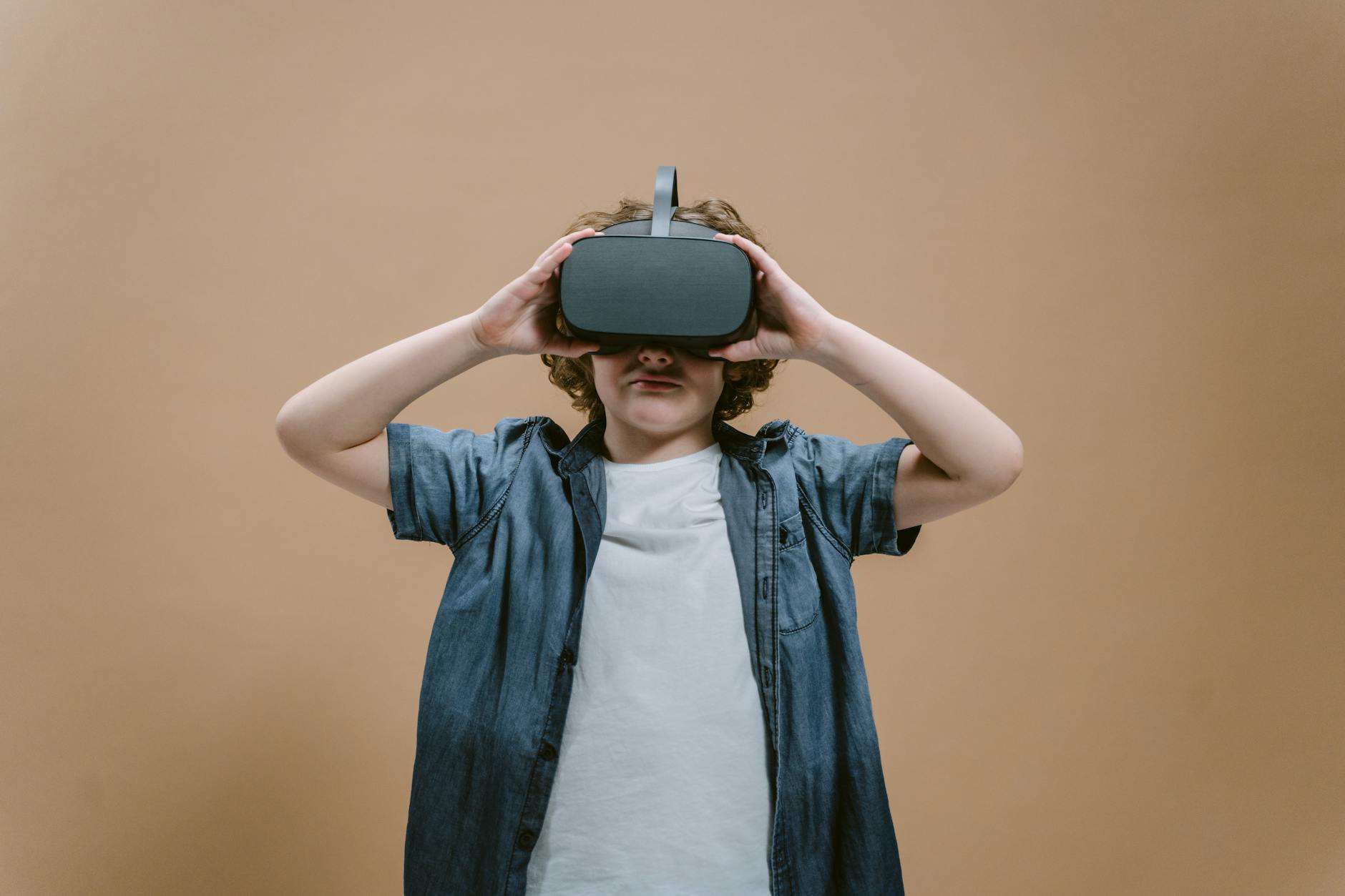
As the landscape of education continues to evolve, startups are stepping in to revolutionize the classroom experience through immersive technologies. With the introduction of augmented reality (AR) and virtual reality (VR), these innovative companies are transforming traditional learning methods into engaging, interactive experiences. By seamlessly integrating AR VR Education into various subjects, startups are not only enhancing student engagement but also expanding educational possibilities. This blog post explores the vital role these startups play and highlights the groundbreaking applications of AR and VR that are reshaping how educators and learners interact with knowledge.
The Role of Startups in Revolutionizing AR VR Education
Startups play a crucial role in transforming the landscape of immersive learning. By leveraging cutting-edge technology, these young companies introduce bold ideas and innovative solutions that challenge traditional educational methods. They explore possibilities such as interactive simulations and virtual environments, which captivate students’ attention and enhance their understanding of complex subjects.
Moreover, startups often operate with agility and flexibility, allowing them to quickly adapt to the needs of educators and learners alike. This responsiveness fosters a culture of continuous improvement, enabling them to integrate feedback and insights from real classroom experiences into their products. As a result, they contribute significantly to expanding accessibility, making enriched learning experiences available to diverse student populations. Through these efforts, startups are paving the way for a new era in education that emphasizes engagement and active participation.
Innovative Applications of AR and VR in the Classroom
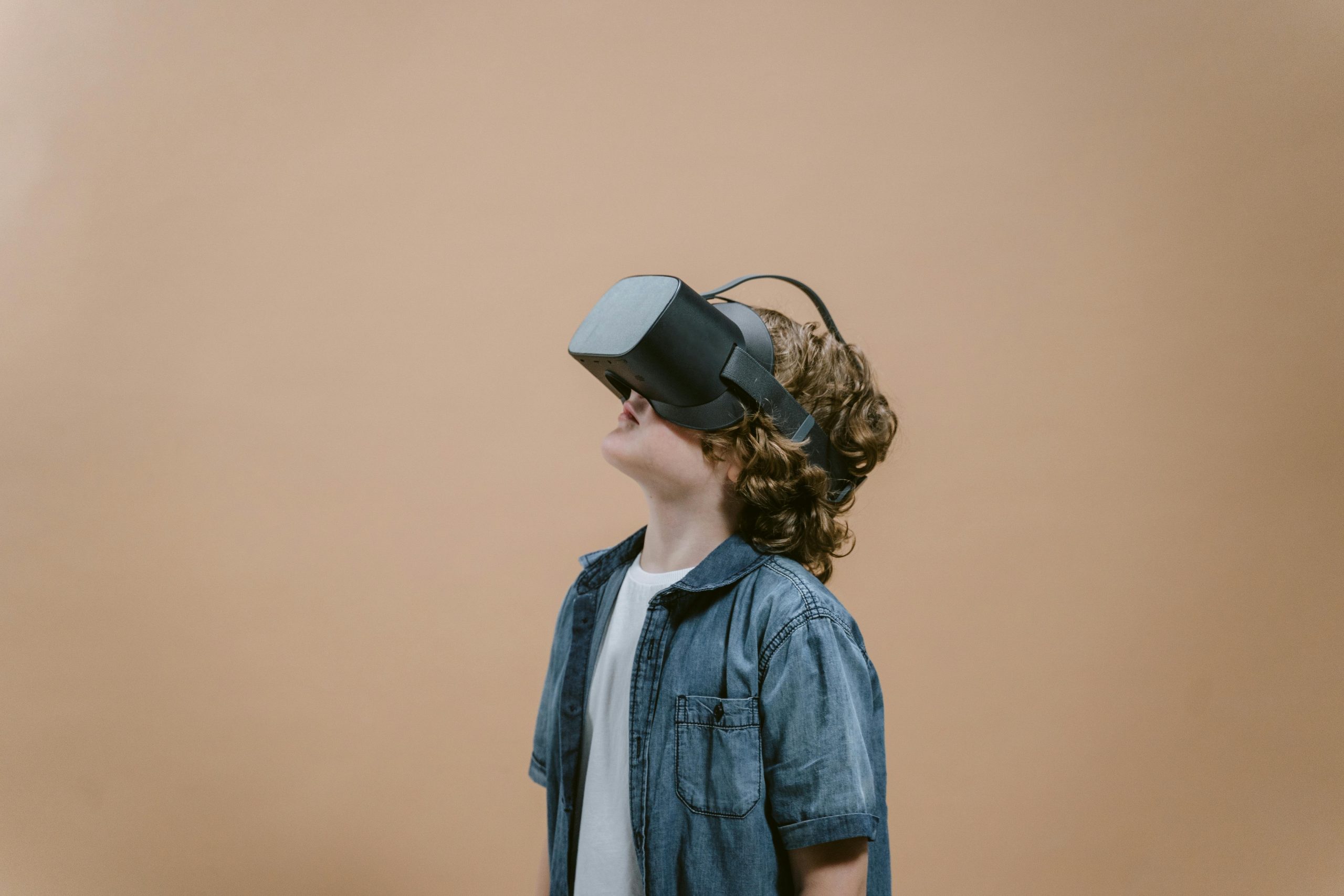
The integration of AR VR Education technologies in classrooms is transforming traditional learning experiences. Augmented reality (AR) allows students to interact with digital elements superimposed onto the real world. For instance, in biology classes, learners can explore the human anatomy in 3D, enhancing their understanding of complex structures.
Meanwhile, virtual reality (VR) immerses students in entirely simulated environments, enabling them to visit historical sites or conduct experiments in a safe, controlled setting. This method fosters engagement and retention, as learners visualize concepts in a way that textbooks cannot offer.
Startups are at the forefront of developing these innovative applications, creating tailored solutions that cater to diverse educational needs. By leveraging these cutting-edge technologies, educators can inspire students, making learning more interactive and accessible than ever before. This trend signifies a pivotal shift in educational approaches, driven by the imaginative capabilities of AR VR Education.
Frequently Asked Questions
What are immersive classrooms, and how do they integrate AR/VR technology in education?
Immersive classrooms are innovative educational environments that utilize Augmented Reality (AR) and Virtual Reality (VR) technologies to enhance learning experiences. In these settings, students engage with interactive digital content that overlays or replaces real-world environments, thereby creating a more engaging and memorable educational experience. Startups are specifically focusing on developing software and hardware solutions that tailor AR/VR applications for various subjects, allowing students to explore complex concepts through simulations and visualizations that may not be feasible in traditional educational settings.
What benefits do AR/VR technologies offer in the educational sector?
AR and VR technologies offer numerous benefits in the educational sector by transforming the way information is delivered and absorbed. These technologies enable experiential learning, allowing students to actively participate in virtual environments, explore historical sites, conduct science experiments, and more without physical constraints. Additionally, they cater to diverse learning styles by providing visual, auditory, and kinesthetic experiences, which can lead to improved retention of knowledge. Furthermore, immersive classrooms can also foster collaboration among students by encouraging teamwork in virtual spaces, enhancing social skills and problem-solving abilities.
How are startups contributing to the development of AR/VR tools for classroom instruction?
Startups are playing a pivotal role in the development of AR and VR tools designed specifically for classroom instruction. They often focus on creating customizable platforms that can be easily integrated into existing curricula, allowing educators to enhance lessons with innovative digital resources. By conducting thorough market research and collaborating with educational institutions, these startups ensure their products meet the needs of teachers and students. Additionally, they invest in user-friendly designs and affordable pricing models, making the integration of advanced technologies into the classroom more accessible to a wider audience.