The landscape of urban living and home automation is rapidly evolving, thanks to the innovative contributions of IoT startups. By seamlessly integrating advanced technology into everyday environments, these startups are playing a crucial role in transforming communities into interconnected spaces. From enhancing security features in homes to optimizing energy usage in public infrastructure, their solutions promote sustainability and efficiency. As cities strive to become smarter and more responsive to residents’ needs, the development of IoT Smart Homes stands at the forefront of this transformation, proving that the future of living is not only intelligent but also interconnected.
Innovative IoT Solutions Transforming Smart Homes
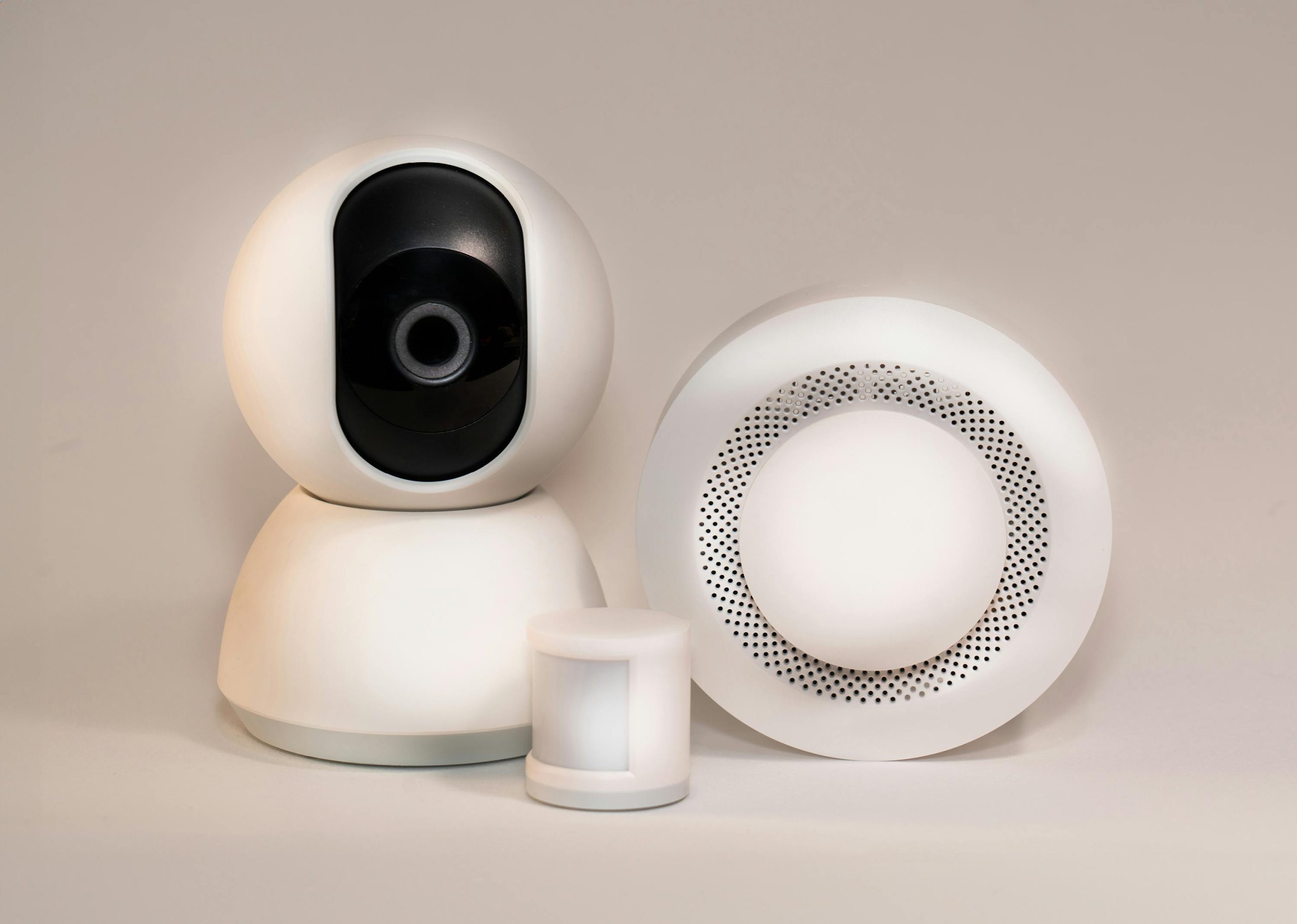
Innovative IoT Smart Homes are rapidly reshaping the way individuals interact with their living spaces. The integration of smart technology allows homeowners to automate various tasks, enhancing convenience and energy efficiency. For instance, smart thermostats learn user preferences and optimize heating and cooling, significantly reducing energy waste. Additionally, smart lighting systems can be controlled remotely, providing security and ambiance tailored to user preferences.
Moreover, wearables and smart appliances are engineered to communicate seamlessly, creating a cohesive ecosystem. This interconnectedness not only fosters an enriched living environment but also promotes sustainability through resource management. As IoT Smart Homes continue to evolve, the potential for improving daily life and environmental impact remains immense, driven by ongoing technological advancements from innovative startups.
The Role of IoT Startups in Shaping Smart Cities
IoT startups play a crucial role in revolutionizing urban environments by developing innovative solutions that enhance connectivity, efficiency, and sustainability. Through harnessing the power of data, these startups create integrated systems that streamline city functions—ranging from traffic management to waste disposal.
By implementing smart sensors and analytics, these young companies help municipalities monitor real-time conditions, allowing for more informed decision-making. For instance, startups are deploying intelligent transportation systems that reduce congestion and improve public transit efficiency.
Additionally, these initiatives often focus on sustainability, using technology to decrease energy consumption and promote green practices. Overall, IoT startups are not just participants but key drivers in the evolution of smart cities, ultimately contributing to improved quality of life for residents.
Frequently Asked Questions
What is the Internet of Things (IoT) and how does it relate to smart homes and cities?
The Internet of Things (IoT) refers to a network of interconnected devices that communicate and exchange data with each other over the internet. In the context of smart homes and cities, IoT technologies facilitate the automation and enhancement of various functions. In smart homes, IoT devices such as smart thermostats, security cameras, and appliances interact to provide homeowners with increased convenience, energy efficiency, and security. Similarly, in smart cities, IoT solutions are employed to manage resources such as water and electricity, optimize traffic flow, and enhance public safety, creating a sustainable and efficient urban environment.
What are some examples of IoT startups focused on building smart homes and cities?
Numerous innovative IoT startups are dedicated to enhancing smart home and city solutions. One prominent example is Nest, which offers smart thermostats and security cameras that allow users to monitor their homes remotely. Another notable startup is SmartThings, which provides a platform for controlling and automating various smart devices within a home, promoting seamless integration. In the realm of smart cities, startups like CityLog and UrbanLeap focus on leveraging IoT to improve urban infrastructure, enhance public transportation, and promote environmental sustainability through data analytics and resource management.
What are the challenges facing IoT startups in the smart home and city sectors?
IoT startups face several challenges, particularly in the highly competitive smart home and city sectors. One significant challenge is ensuring data security and privacy, as connected devices can be vulnerable to cyber threats. Additionally, the integration of diverse devices and platforms presents technical hurdles, requiring startups to develop solutions that are compatible with various ecosystems. Regulatory compliance is another concern, as startups must navigate a landscape of evolving regulations surrounding data use and smart technologies. Furthermore, gaining consumer trust and demonstrating the tangible benefits of IoT solutions remain critical for startups to achieve sustainable growth.