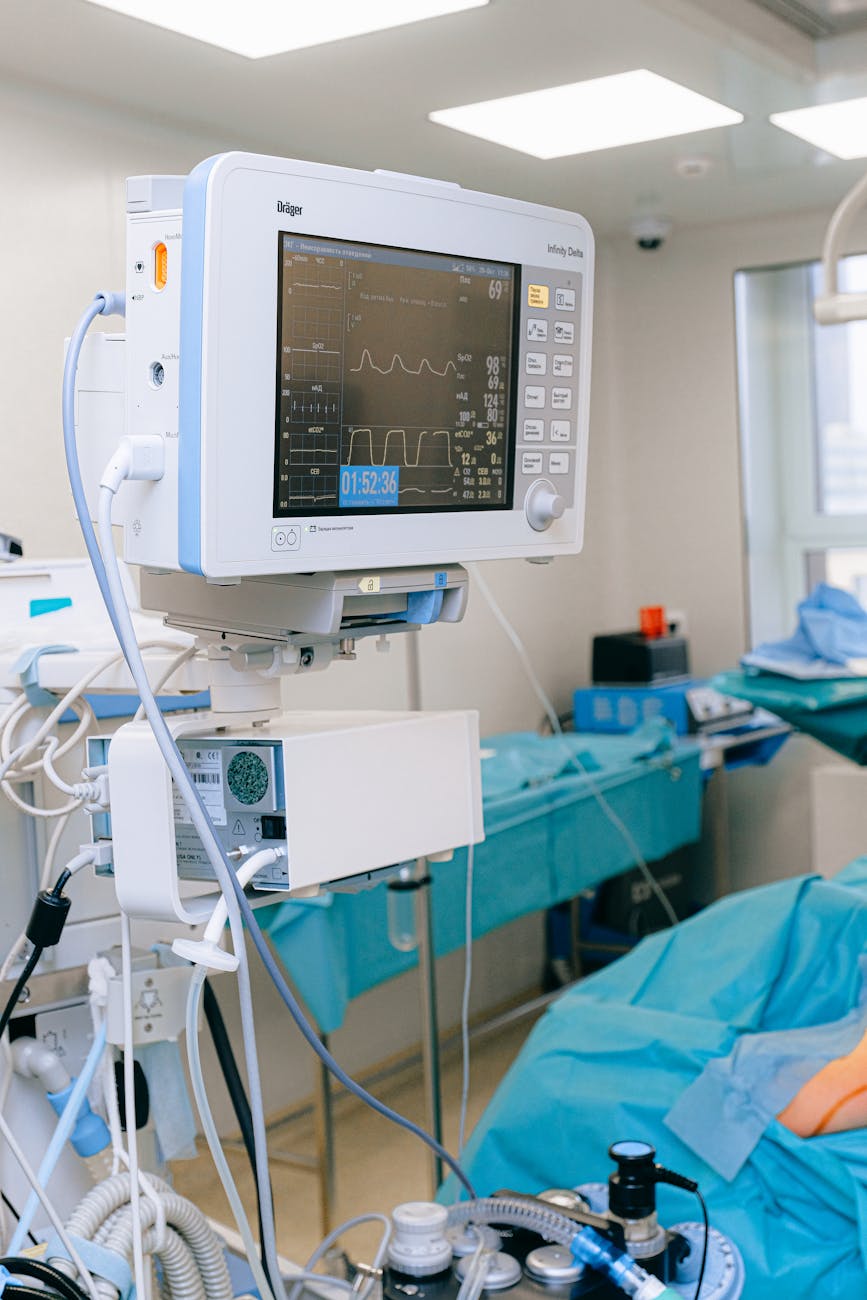
In today’s fast-evolving healthcare landscape, startups are embracing innovative wearable technologies that significantly enhance patient care. By integrating these advanced devices, they enable healthcare professionals to monitor patients remotely, effectively transforming traditional approaches to treatment. As the demand for Remote Patient Monitoring continues to rise, these pioneering companies are leading the charge, demonstrating how wearables can improve health outcomes and streamline medical processes. This article delves into the crucial role of wearables in remote monitoring and highlights some of the most groundbreaking startups reshaping the future of healthcare.
The Role of Wearables in Remote Patient Monitoring
Wearable technology plays an essential role in enhancing patient care by enabling continuous health monitoring. These devices, ranging from smartwatches to fitness trackers, collect real-time data on various health metrics such as heart rate, blood pressure, and activity levels. Remote Patient Monitoring utilizes this data to facilitate timely interventions and informed decision-making by healthcare providers. Additionally, wearables empower patients by providing them with insights into their health, fostering a sense of responsibility towards their well-being. As a result, the integration of wearables into healthcare not only streamlines communication between patients and providers but also leads to improved health outcomes and increased patient engagement. By leveraging these technological advancements, the healthcare industry is poised to transform traditional practices into more efficient, proactive, and personalized care experiences.
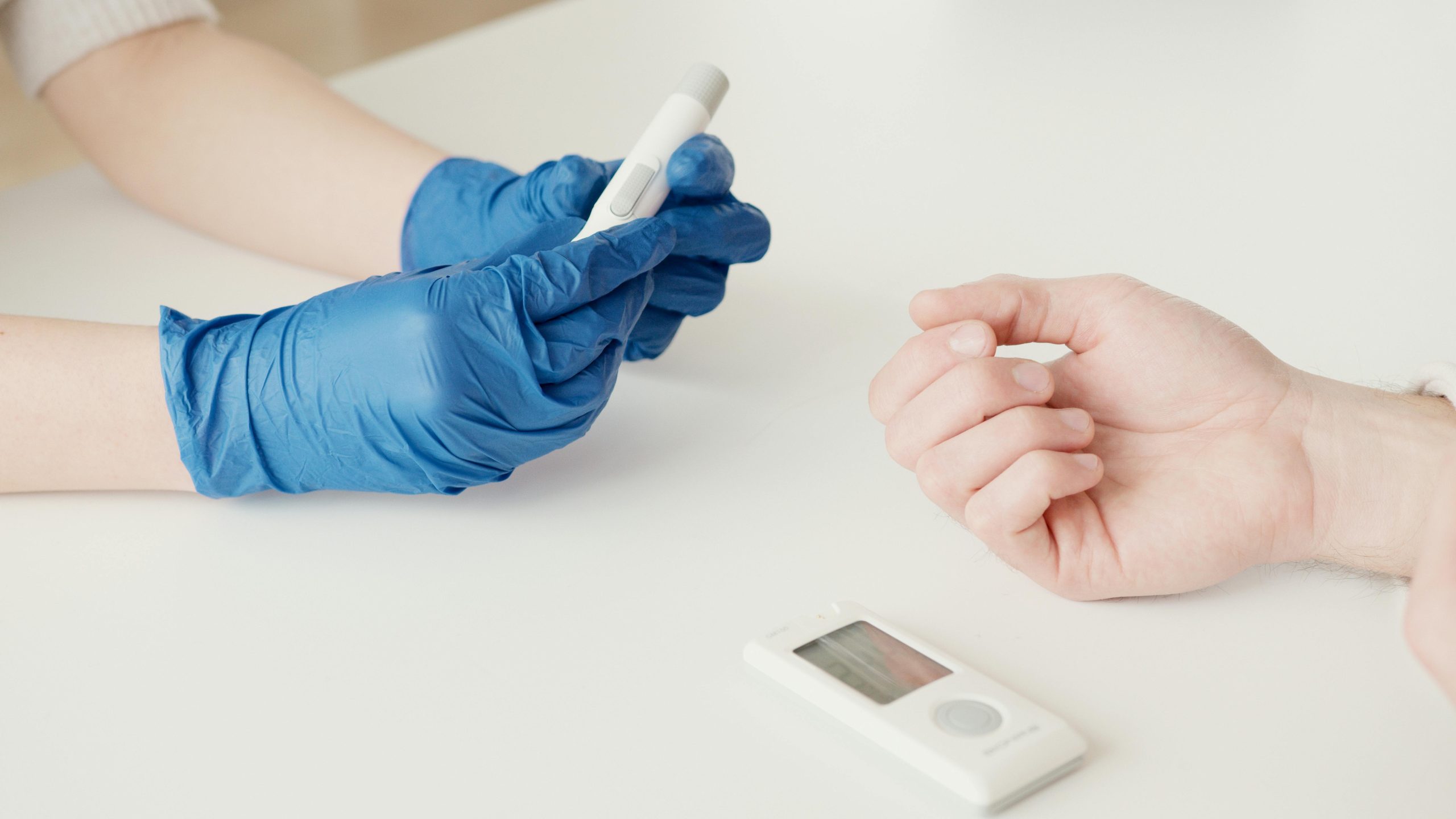
Innovative Startups Transforming Healthcare with Wearable Technologies
Innovative startups are at the forefront of integrating wearable technologies into healthcare, driving significant enhancements in Remote Patient Monitoring. These companies leverage cutting-edge devices — such as smartwatches, fitness trackers, and specialized medical sensors — to gather real-time health data. By doing so, they empower patients to take charge of their health while providing clinicians with valuable insights into patient conditions.
Moreover, startups are focusing on creating user-friendly applications that enable seamless interaction between patients and healthcare providers. This connectivity not only improves engagement but also enhances the accuracy of monitoring chronic conditions like diabetes and heart disease. As a result, patients can receive timely interventions, which can ultimately lead to better health outcomes. By embracing innovation and technology, these startups are redefining how healthcare is delivered and experienced in today’s digital age.
Frequently Asked Questions
What are the main benefits of using wearables for remote patient monitoring in connected healthcare?
Wearables in connected healthcare offer significant benefits, including continuous health monitoring, real-time data collection, and timely interventions, which can enhance patient outcomes. They empower patients with self-management tools, allowing them to track vital signs such as heart rate, glucose levels, and activity levels remotely. Additionally, healthcare providers can receive immediate alerts for any concerning trends, facilitating prompt medical responses, which can ultimately lead to better health management and reduced hospital admissions.
How do wearables ensure patient data privacy and security in remote monitoring?
Wearables for remote patient monitoring adhere to stringent data privacy and security protocols to protect patient information. These devices employ advanced encryption technologies to safeguard data transmission between the wearable device and the healthcare systems. Compliance with regulations such as HIPAA (Health Insurance Portability and Accountability Act) in the United States mandates stringent safeguards for patient data. Furthermore, many wearable manufacturers implement multi-factor authentication to ensure that only authorized personnel can access sensitive health information.
What types of conditions can be monitored using wearables in a connected healthcare system?
Wearables equipped for remote patient monitoring can effectively track a wide array of health conditions. They are commonly utilized for chronic diseases such as diabetes, hypertension, and heart conditions, where continuous monitoring of vital signs is crucial. Furthermore, wearables can assist in mental health monitoring by tracking physiological responses to stress or anxiety. They are also effective in rehabilitation settings for tracking progress post-surgery or injury, providing valuable data to both patients and healthcare professionals.